
Modern laboratories, pharmaceutical facilities, biotechnology companies, and manufacturing industries require controlled environments to maintain product quality, reduce contamination risks, and improve process reliability. However, building a traditional cleanroom can involve significant construction costs, long installation periods, and limited flexibility.
A Softwall Clean Room offers a practical alternative by providing a modular, scalable, and affordable solution for organizations that need controlled environments without the expense of permanent cleanroom construction. These systems combine advanced filtration technology, flexible designs, and efficient airflow management to support critical applications across multiple industries.
CleaTech LLC provides customized cleanroom solutions designed to help businesses achieve reliable contamination control while optimizing investment and operational efficiency.
What Is a Softwall Clean Room?
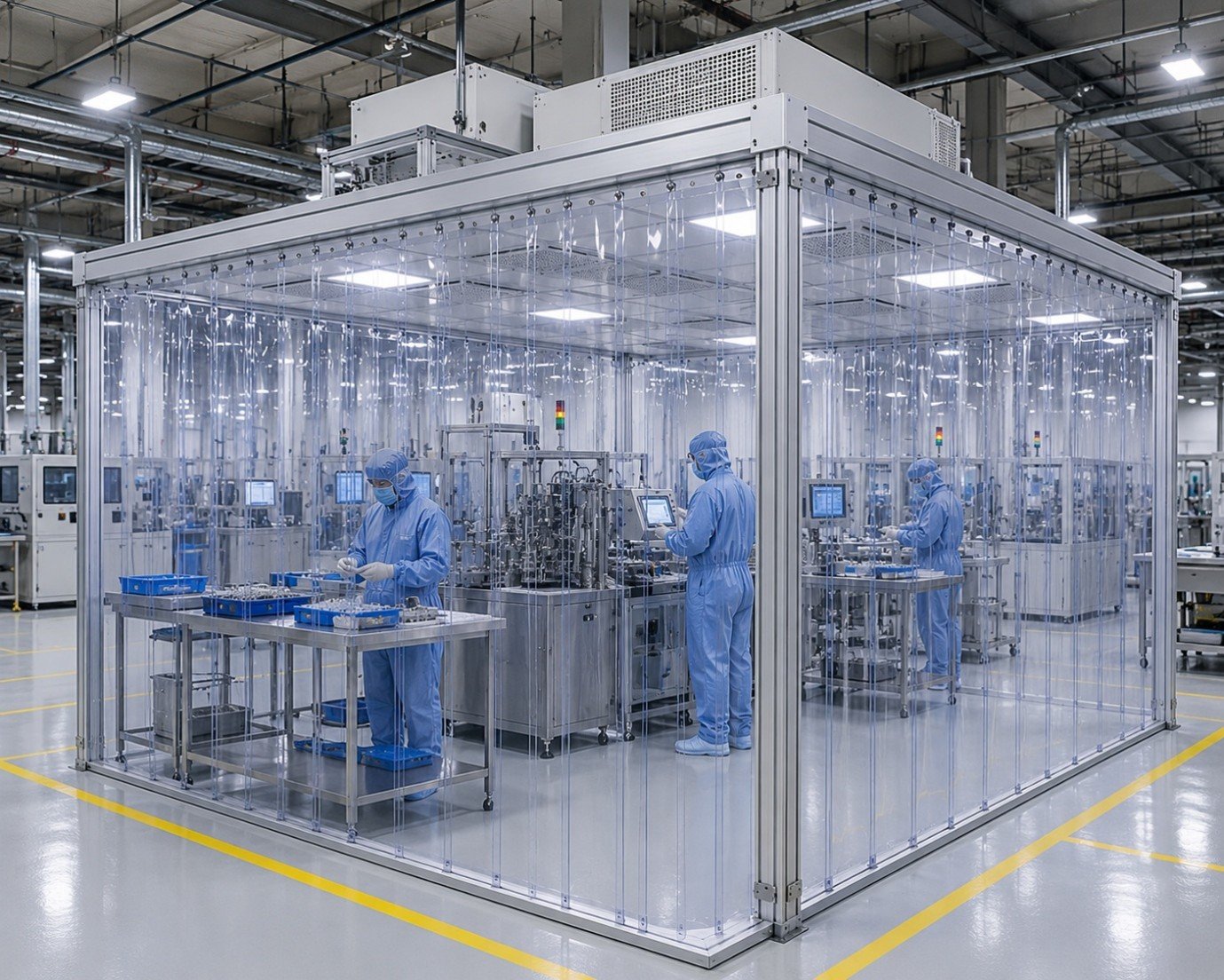
A Softwall Clean Room is a modular controlled environment that uses flexible wall materials, specialized airflow systems, and filtration technology to maintain a cleaner workspace. Unlike traditional cleanrooms that require permanent walls and extensive construction, softwall systems are built with movable structures that can be installed quickly and modified easily.
These cleanrooms typically include:
- HEPA filtration systems
- Flexible vinyl or PVC curtain walls
- Aluminum or stainless-steel support frames
- Controlled airflow systems
- LED lighting solutions
- Easy-access entry configurations
The flexible design allows companies to create controlled work areas based on specific cleanliness requirements while maintaining cost efficiency.
For facilities requiring temporary or movable clean environments, CleaTech LLC also provides advanced Softwall Clean Rooms systems for flexible laboratory and manufacturing applications.
Why Are Softwall Clean Rooms a Cost-Effective Cleanroom Solution?
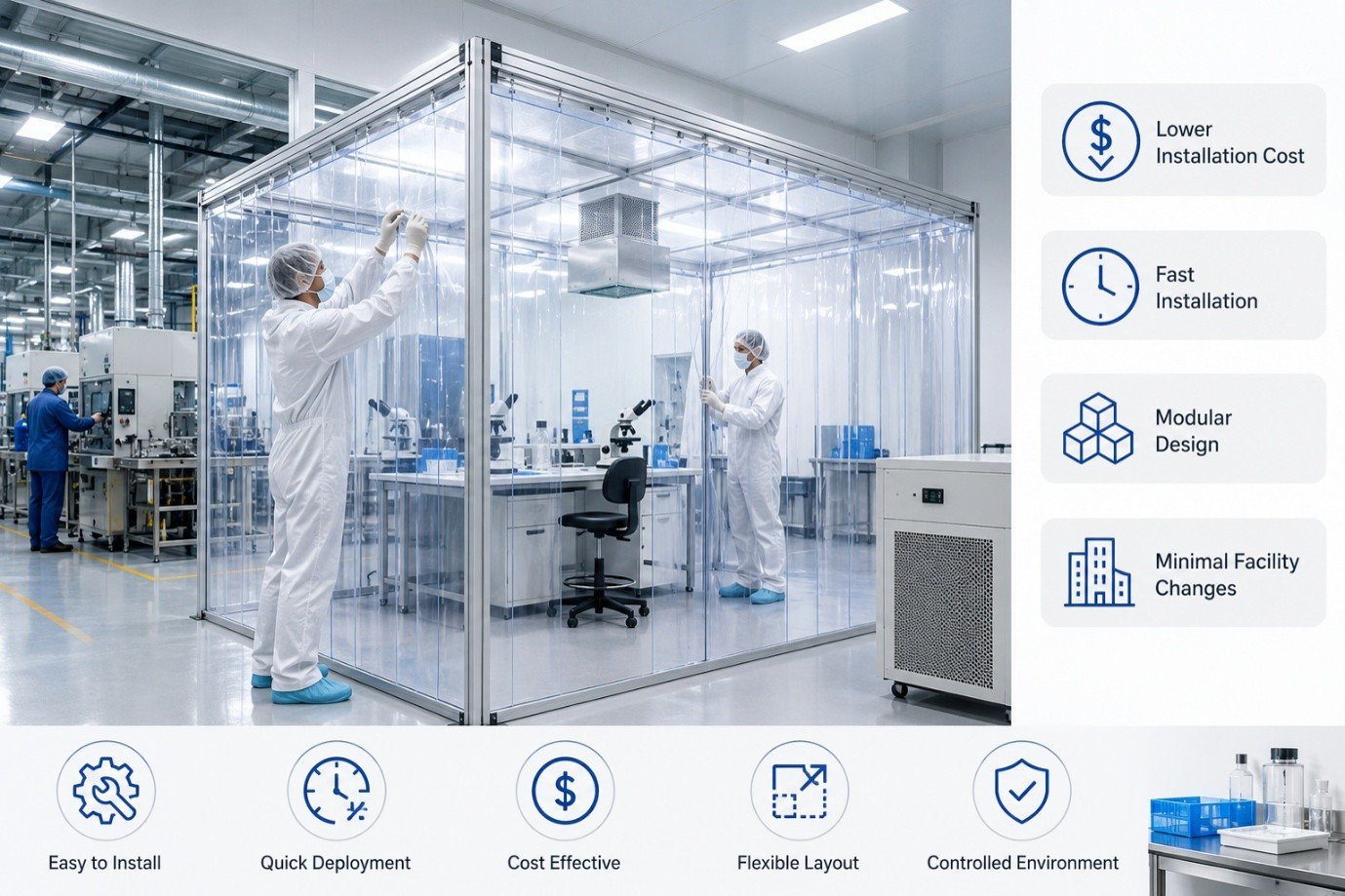
Lower Installation and Construction Costs
Traditional cleanrooms often require permanent walls, specialized construction materials, and significant facility modifications. These requirements can increase project expenses and extend installation timelines.
Softwall Clean Rooms reduce these costs because they use modular components that require minimal construction work. The simplified installation process helps businesses save money on:
- Building modifications
- Labor expenses
- Installation time
- Structural changes
This makes softwall technology an excellent choice for companies looking for cost-effective cleanroom solutions without compromising environmental control.
Faster Installation With Minimal Operational Disruption
One of the biggest advantages of modular cleanroom systems is their quick installation process. Since components are prefabricated and easy to assemble, businesses can establish controlled environments faster than with conventional cleanroom construction.
This allows organizations to:
- Start operations sooner
- Reduce facility downtime
- Adapt workspace layouts quickly
- Support temporary production requirements
Softwall Clean Rooms are especially beneficial for research facilities and manufacturers that need rapid deployment solutions.
Flexible Design and Easy Expansion Options
Business requirements often change due to production growth, new research projects, or evolving workflows. A permanent cleanroom may require expensive renovations when additional space is needed.
Softwall Clean Rooms provide flexibility because they can be:
- Expanded when additional workspace is required
- Relocated to another area
- Modified according to workflow changes
- Customized for different applications
This adaptability makes them a valuable investment for growing organizations.
How HEPA Filtration Improves Softwall Clean Room Performance
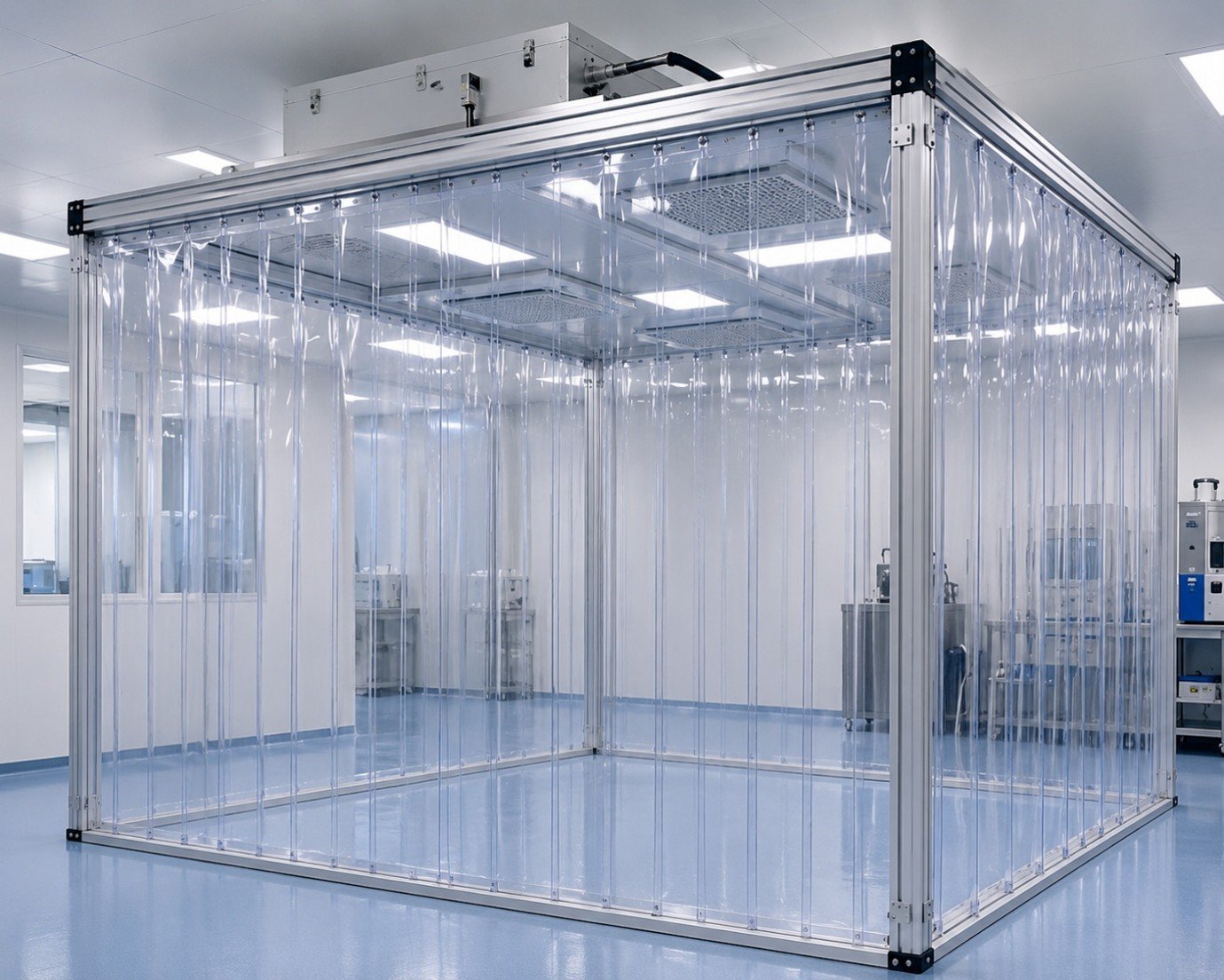
Air quality plays a critical role in maintaining controlled environments. Softwall Clean Rooms use HEPA filtration technology to reduce airborne particles and maintain cleaner working conditions.
HEPA-filtered airflow helps protect:
- Sensitive laboratory samples
- Electronic components
- Medical devices
- Pharmaceutical products
- Precision manufacturing processes
By controlling airborne contamination, these systems support consistent quality and improved process reliability.
Applications of Softwall Clean Rooms Across Industries
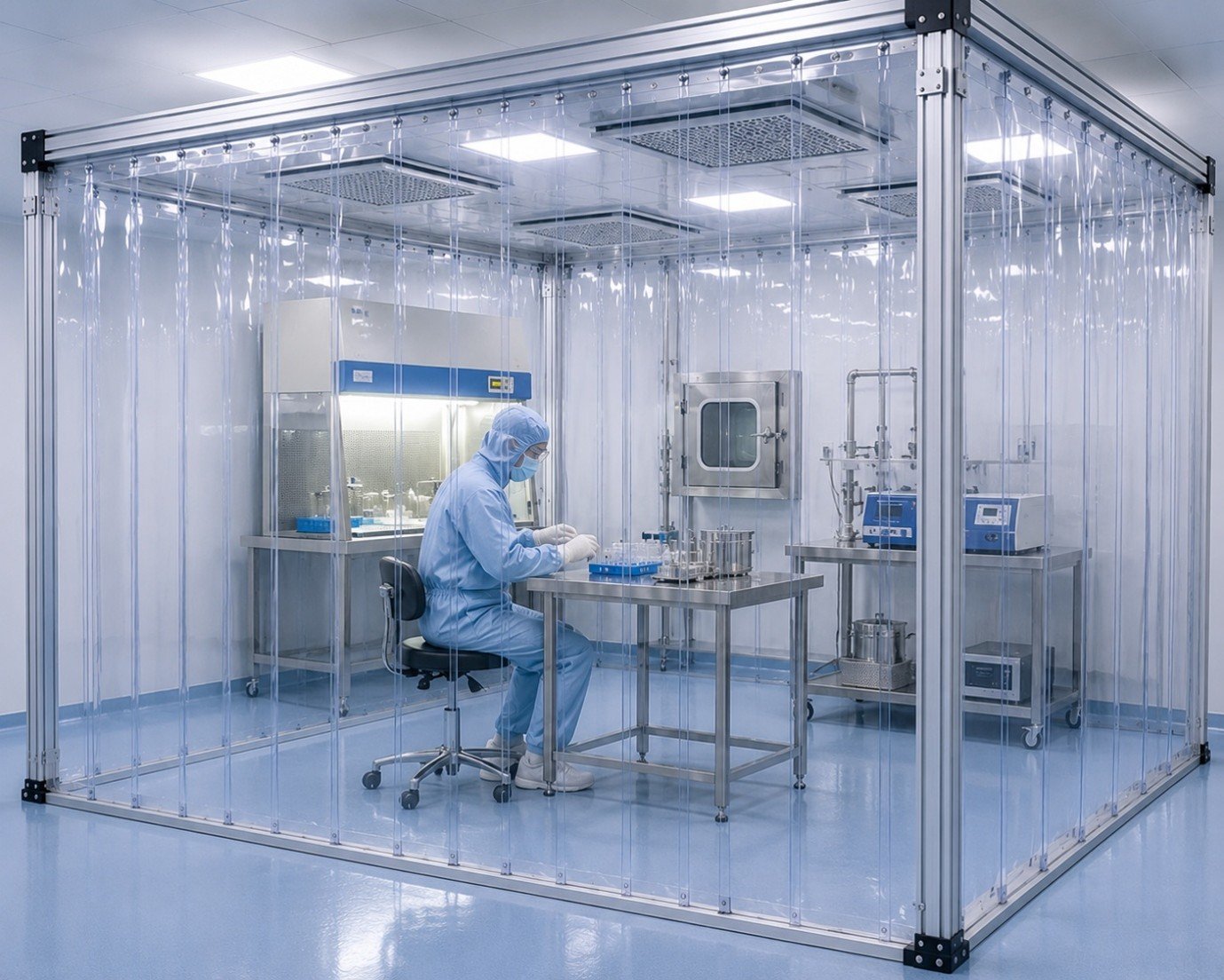
Pharmaceutical and Biotechnology Applications
Pharmaceutical companies and biotechnology laboratories require controlled spaces for research, testing, and production activities. Softwall Clean Rooms provide flexible environments for applications where contamination prevention is essential.
They are commonly used for:
- Sample preparation
- Sterile processing
- Research activities
- Product assembly
Electronics and Precision Manufacturing
Small airborne particles can affect sensitive electronic components and precision products. Softwall Clean Rooms provide controlled spaces for assembly, testing, and inspection processes.
Manufacturers can combine cleanroom systems with specialized equipment such as cleanroom workbenches designed for controlled manufacturing environments to improve workflow efficiency.
Laboratory and Research Facilities
Research laboratories often require customized environments for experiments, testing, and sensitive procedures. Modular cleanroom designs allow laboratories to create dedicated controlled spaces without expensive renovations.
When designing a complete laboratory environment, organizations can integrate Softwall Clean Rooms with additional solutions such as professional cleanroom furniture for contamination-controlled workspaces.
Softwall Clean Rooms vs Traditional Cleanrooms
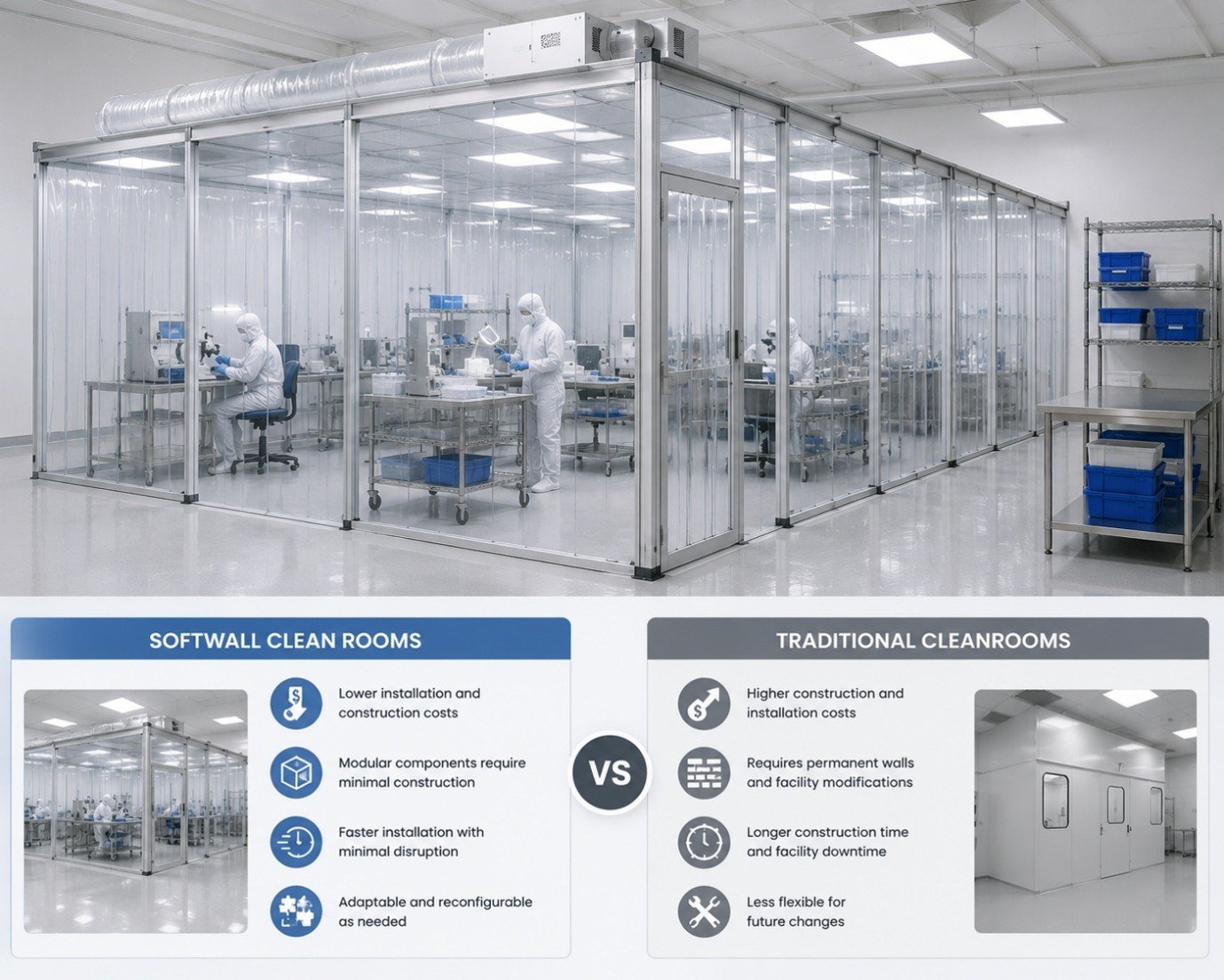
Choosing the right cleanroom solution depends on budget, operational requirements, and future expansion plans.
| Feature | Softwall Clean Rooms | Traditional Cleanrooms |
| Installation | Quick modular installation | Longer construction process |
| Cost | Lower initial investment | Higher construction expenses |
| Flexibility | Easy modification and relocation | Limited flexibility |
| Expansion | Simple and scalable | Requires structural changes |
| Maintenance | Easier component replacement | More complex maintenance |
For organizations requiring adaptable contamination control, softwall systems provide a balance between performance and affordability.
Important Factors When Selecting a Softwall Clean Room
Before investing in a cleanroom system, consider:
Cleanliness Requirements
Identify the required cleanliness classification based on your industry and application.
Available Space
Evaluate current workspace availability and future expansion requirements.
Airflow Design
Select the appropriate airflow configuration based on contamination control needs.
Equipment Integration
Consider how equipment, operators, and materials will move within the cleanroom.
Industry Compliance
Ensure the cleanroom system supports required quality standards and operational guidelines.
Enhance Your Controlled Environment With CleaTech LLC Solutions
CleaTech LLC specializes in designing and manufacturing advanced controlled environment solutions for laboratories, research facilities, and industrial applications.
Along with Softwall Clean Rooms, organizations can explore additional contamination control products such as:
- Laminar flow hood systems for sterile and particle-controlled laboratory procedures
- Cleanroom furniture solutions for optimized laboratory and manufacturing workflows
These solutions help create efficient, reliable, and compliant workspaces for demanding applications.
To discuss your specific cleanroom requirements, Contact us and connect with CleaTech LLC specialists for customized guidance.
Frequently Asked Questions (FAQs)
1. What makes Softwall Clean Rooms cost-effective?
Softwall Clean Rooms reduce expenses through faster installation, modular construction, lower maintenance requirements, and minimal facility modifications.
2. Can Softwall Clean Rooms be customized?
Yes. They can be customized based on size, airflow requirements, filtration needs, and specific industry applications.
3. Are Softwall Clean Rooms suitable for laboratories?
Yes. They are widely used in laboratories for research, testing, sample preparation, and controlled processing applications.
4. How do Softwall Clean Rooms maintain cleanliness?
They maintain cleanliness through HEPA filtration, controlled airflow, proper materials, and contamination control practices.
5. Can Softwall Clean Rooms be relocated?
Yes. Their modular design allows easy relocation, expansion, and configuration changes when operational needs evolve.